
Absurdity
The state of women's healthcare
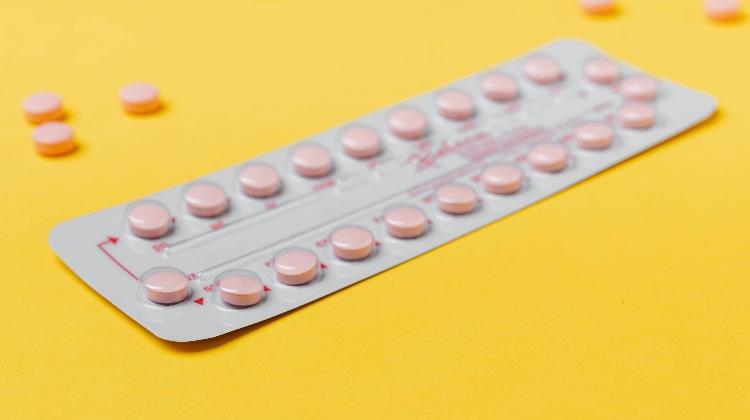
Photo: Pexels
Over the last few thousands of years, humanity has done a decent job with general death reduction, whether it be living longer broadly, or just avoiding accidents. This trend is accompanied by being healthier; with plagues, tuberculosis and infections being less likely to appear in the obituaries. We have robust healthcare systems, a sophisticated medical and scientific field, and a general societal consensus that healthcare provision is a good idea. Progress made, progress yet to be made.
Given that women make up around 50 percent of the population, you would think that women’s healthcare outcomes would be at least somewhat equal to that of men. I certainly would have thought so; it would seem absurd to agree to overlook the nuances of an entire se, and have a systemically worse understanding. And yet, absurdity it is. The more I learn about the topic, the less faith I have that women’s healthcare is wellbeing-oriented (even aside from the profit-seeking).
Until around the 1990s, women’s participation in clinical trials (one of the things that lets us live healthier and not die as much) was not only underrepresented, but actively denied on account of concerns for their reproductive capabilities (apparently, women have no other purpose in life), assuming the male body to be the “standard” in medical research (here’s why that assumption doesn’t really work), and because female hormones might make the data collection process messy.
One of the main drivers of exclusion was the thalidomide tragedy, where pregnant women who were prescribed thalidomide ended up having children with severe birth defects. To prevent a similar tragedy from happening again, it was decided to remove women “of reproductive potential” from clinical trials. That way, we can catch any side effects only after a drug has already been rolled out, because that’s far more conducive to public health, of course. It’s completely fine that women report more adverse side effects to medication, and that male-based dosages might actively lead to overmedication. While the state of affairs used to be worse, it’s not exactly great nowadays, either.
But hey, at least if issues arise, you can go to your GP and work on a solution. Not much luck in that direction either, unfortunately; it is not unlikely that you will just be told that your problems are stress-related. Have you not considered just relaxing a bit? Or better yet, if you’re in pain, then that’s normal because you’re a woman. If you’re a woman of colour, then even more so because you’re inherently more tolerant of pain somehow? As if pain tolerance, real or imagined, justifies leaving you in pain. Also, good luck with having your PMS understood.
The area around the use of contraceptives (which have a wide range of use cases outside of pregnancy prevention) is a notable case. There’s a delightful system where women report symptoms of mental health decline, soreness, and bleeding, whilst providers seem more concerned that these symptoms might be placebo effects rather than trying to work on a solution with the patient. They also don’t fall under basic insurance if you’re over 21 (someone has to make the babies, right?), meaning that, in a cis male-female relation, the woman usually bears most of the contraceptive cost.
Women do not have it easy in healthcare, with a lot of systemic ways of thinking either propagating ignorance of the specific needs of women, or assuming that their suffering is natural. The transgender and gender non-conforming community also has it quite rough in that regard (not to make disenfranchisement a competition). We need to do better.
Comments
We appreciate relevant and respectful responses. Responding to DUB can be done by logging into the site. You can do so by creating a DUB account or by using your Solis ID. Comments that do not comply with our game rules will be deleted. Please read our response policy before responding.