
Neither international, nor local
‘Students like me are basically forgotten’
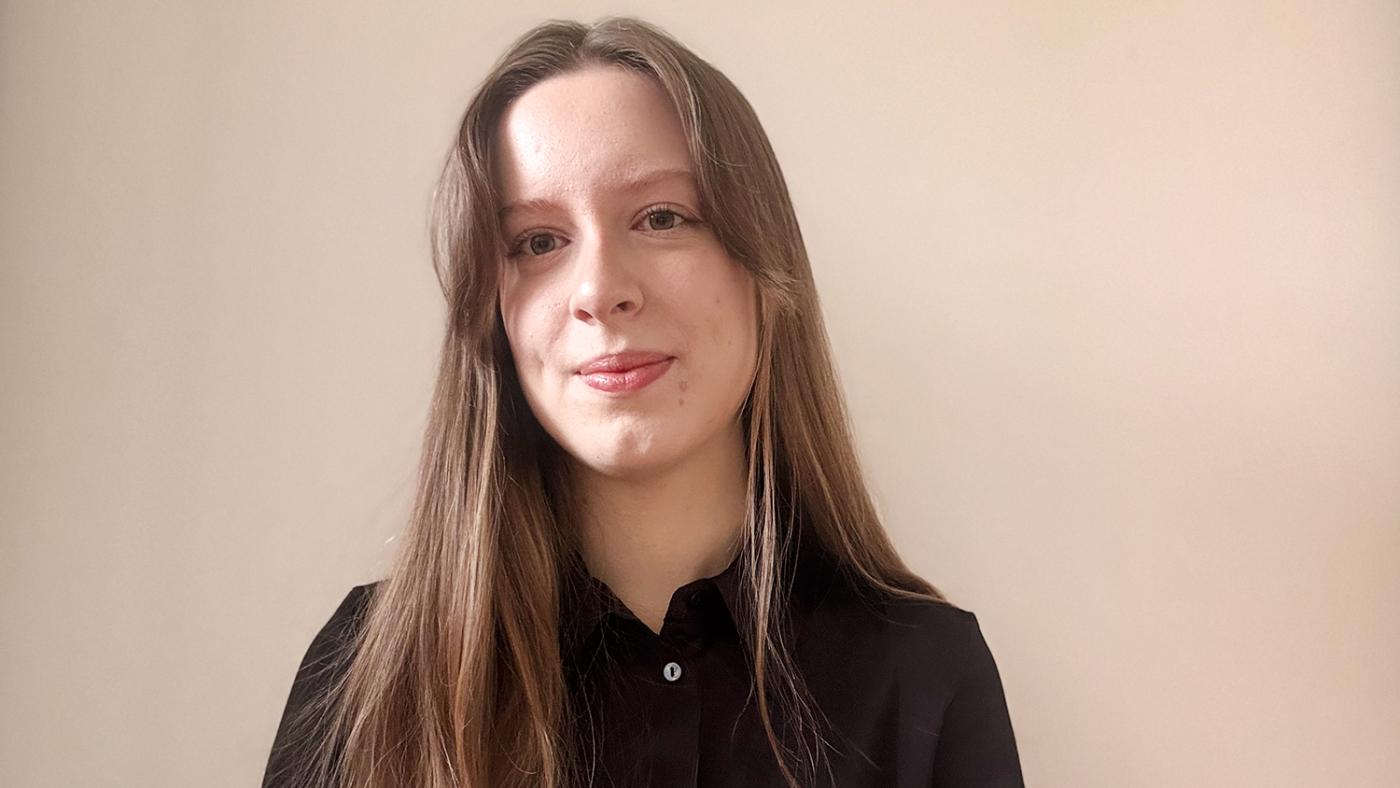
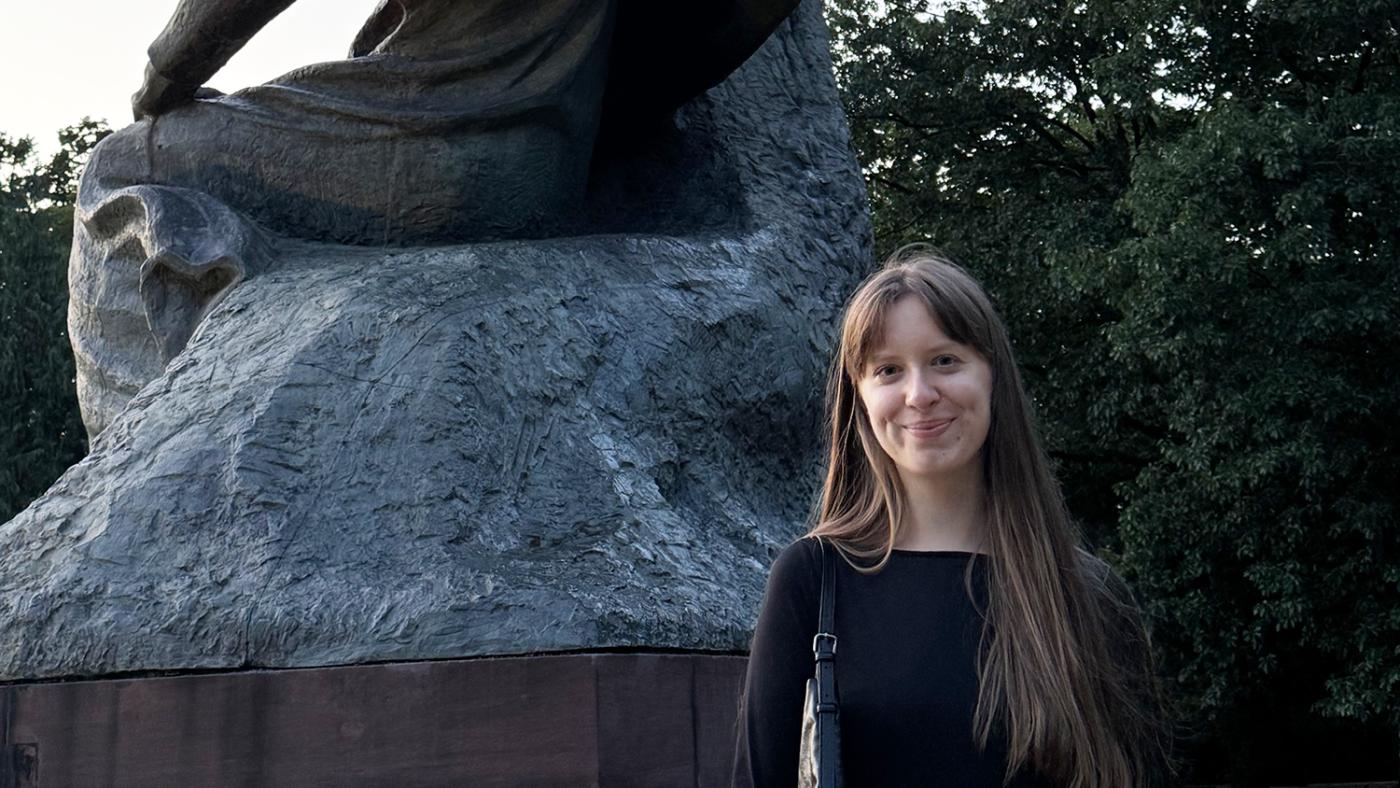
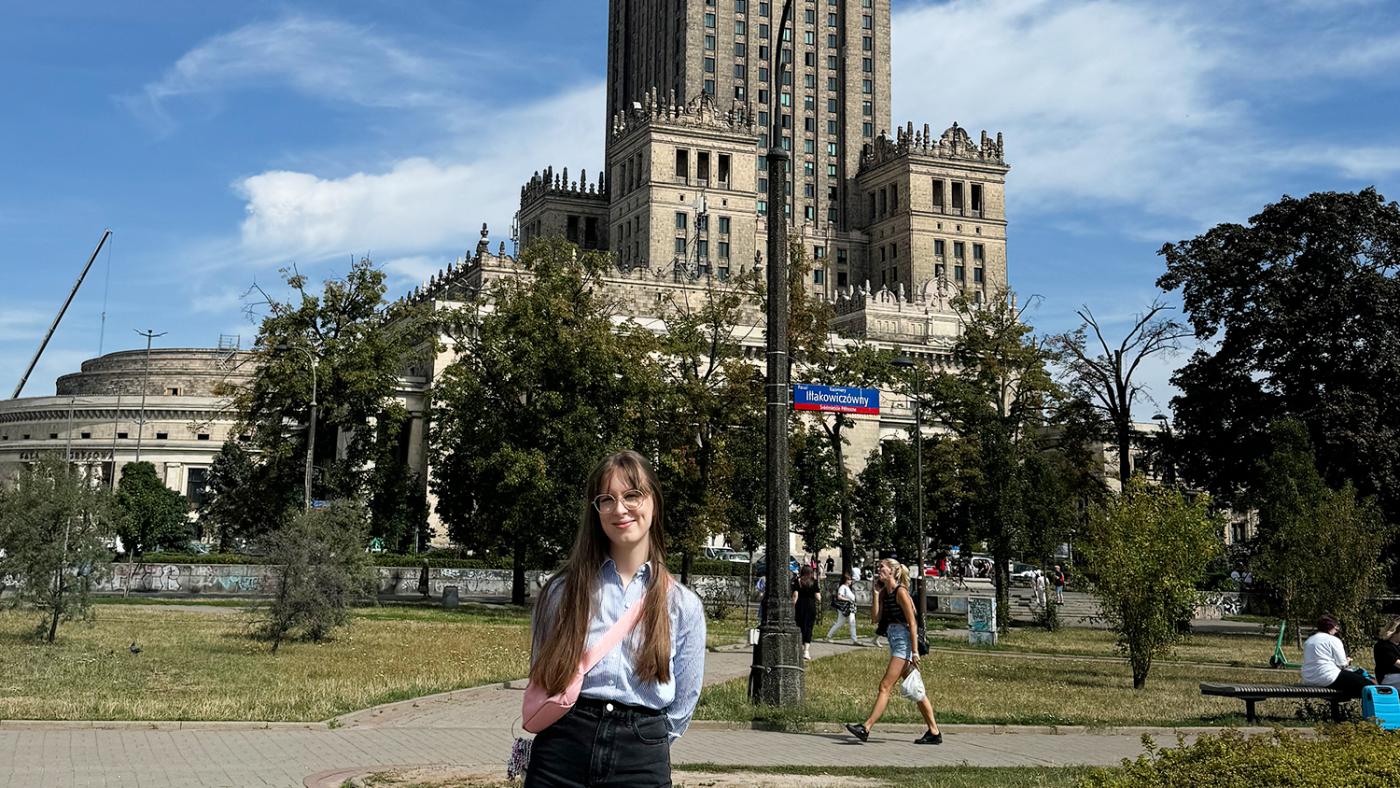
Photos: courtesy of the student
Magda was only 14 years old when her parents moved to the Netherlands for work. She went to a Dutch high school, where she learned Dutch, and now she speaks the language with a slight accent. Today, she is 23 years old and studies Liberal Arts & Sciences (LAS) at UU, majoring in Cognitive Psychology. As a university student, she is seen as an international student in some situations and a local student in others.
UU has both Dutch-taught and English-taught LAS programmes. The latter is offered by University College Utrecht (UCU). Magda chose the Dutch-taught track because she didn’t have VWO English, a requirement for studying at UCU. She did high school at the HAVO level, then studied one year at a university of applied sciences before transferring to UU (if you’re not familiar with the Dutch school system, here is an explanation, Ed.).
Magda sometimes feels like the odd one out in her programme. “I sometimes find it difficult to be in the LAS community. I joined the study association but was never active in it, for example, because I somehow felt like I didn’t fit in.” For this reason, Magda recollects her first year as having been “pretty lonely”. She says she felt “judged by people” and “intimidated” because no one was like her. “It made me wonder if the university was the place for me,” she shares.
“Speaking the language is not always enough to fit in,” she says. “If you speak with an accent, as I do, that immediately strikes some people as ‘unknown’ and, therefore, as someone they wouldn’t develop a strong friendship with. They might not be conscious of this, but it happens.”
In addition, Magda says that having different cultural habits can form a barrier to friendships. “For example, I’m familiar with the Dutch culture, but we don’t practice it at home. I’ll actually celebrate Sinterklaas for the first time ever this year. My friends and I will celebrate Sinterklaas and Polish Christmas together, as one party. Up until now, whenever I said that my family didn’t celebrate Sinterklaas, people just said: ‘Oh, okay.’ So, after nine years, finally a success!”
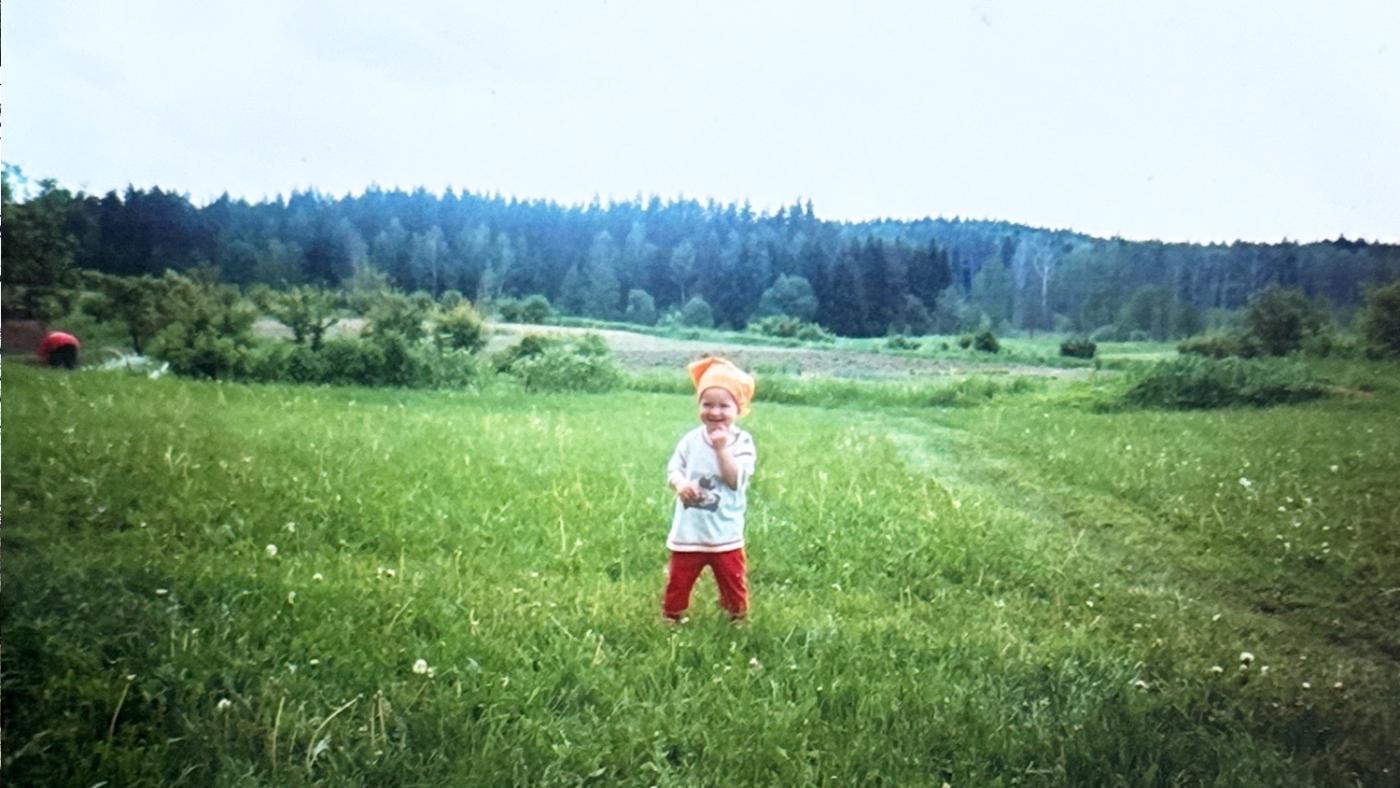
Her difficulties are not only social in nature. Being a Dutch-speaking LAS student born abroad also comes with its fair share of academic hurdles. According to Magda, some lecturers at UU don’t know how to deal with students who speak Dutch as a second language. “I once had to write an essay and a lot of the feedback was: ‘You should check your language a bit more,’ without giving me any explanation or examples. I didn’t know what I’d done wrong exactly and how I could improve.”
Answering questions in class is also a different experience for her, as she needs a little bit more time to formulate her arguments. In her view, it would be nice if lecturers received training to better deal with students in her situation. “The group may be small now, but it might become bigger in the future,” she stresses.
“Some teachers react in surprise when I put my ID on the table during an exam, as they don’t expect to see a foreigner there. But it shouldn’t be surprising. If there aren’t many people who speak Dutch as a second language at the university, that’s because people with a migrant background are not as likely to go to university, even though many of them are capable of doing so,” she ponders.
It is not only at the university that people have difficulty “categorising” Magda. When she was looking for housing, someone suggested she apply to SSH Short Stay, a type of accommodation restricted to internationals. Despite not having Dutch nationality, she wasn’t eligible because she went to school in the Netherlands.
Recently, Statistics Netherlands (CBS) published a survey indicating that students with a migration background have more difficulty finding jobs. Magda was disappointed to see that the study only considered students born in the Netherlands to foreign parents. “It’s like students like me are invisible.”
A safer space
Fortunately, Magda found a space at UU where she feels much safer and more comfortable: the honours programme of the Faculty of Humanities, which has both Dutch and international students. “People there seem much more open to differences.” For this reason, she got sad when she heard that the university plans to discontinue honours programmes at the faculty level.
A common issue in mixed classrooms is that Dutch students and international students form two separate groups, without mingling much. Asked whether she sees such a divide in her honours programme, Magda says yes. “I was confused at first because I’m friends with both groups. I try to be the bridge between them, but that’s easier said than done. I like the challenge, though, and I see that they’ve been mingling more.”
“I feel like I have more in common with the international students, but they see me more as a local than as an international. So, both groups see me as ‘one of them’, not ‘one of us,’” Magda observes.
Political climate
The political climate has certainly changed since Magda first moved here. Asked how she perceives these changes, she says the attitudes towards migrants make her feel nervous. “I’m not a stranger to stereotypes about Polish people. That they drink too much, make too much noise, or that women stay at home cooking for their husbands. But the statements are getting more and more extreme, and I can’t help but think that this could affect me.”
“People will say to your face that they want fewer immigrants in the Netherlands, and then go: ‘Oh no, I don’t mean you.’ But where do you draw the line? The discussion is now focused on refugees, but many of the children who were in schakelklas (a middle school class for children who need additional support in learning Dutch, Ed.) with me were refugees, and they are all doing fine. They’re studying, working, and contributing to society just like me.”
Given this political context, would Magda consider moving abroad or back to Poland after university? She sighs, as if the mere thought of doing so made her tired. “I’ve already moved abroad once. I just want to settle down.”
Comments
We appreciate relevant and respectful responses. Responding to DUB can be done by logging into the site. You can do so by creating a DUB account or by using your Solis ID. Comments that do not comply with our game rules will be deleted. Please read our response policy before responding.